ETSO: Stylometry Applied to Golden Age Theatre
TEXORO
Search Golden Age drama, prose and poetry: more than 3,000 works and over 42 million words
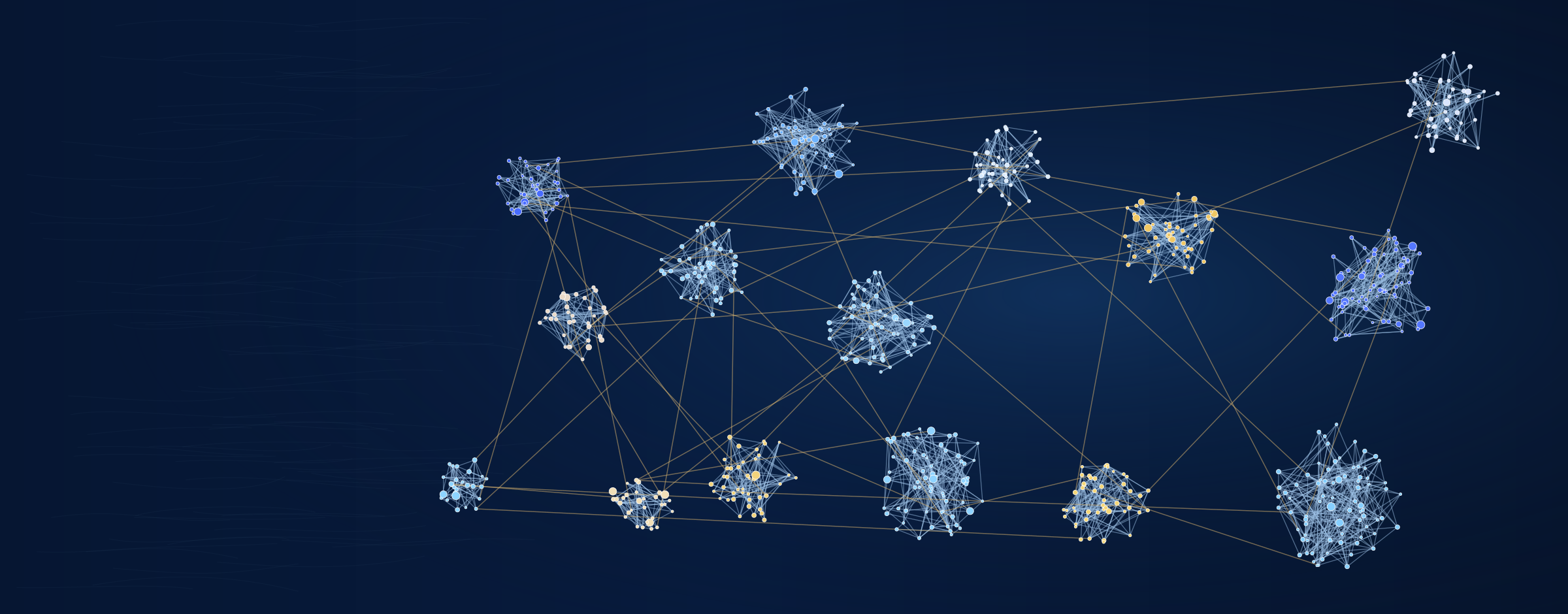
Stylometric network
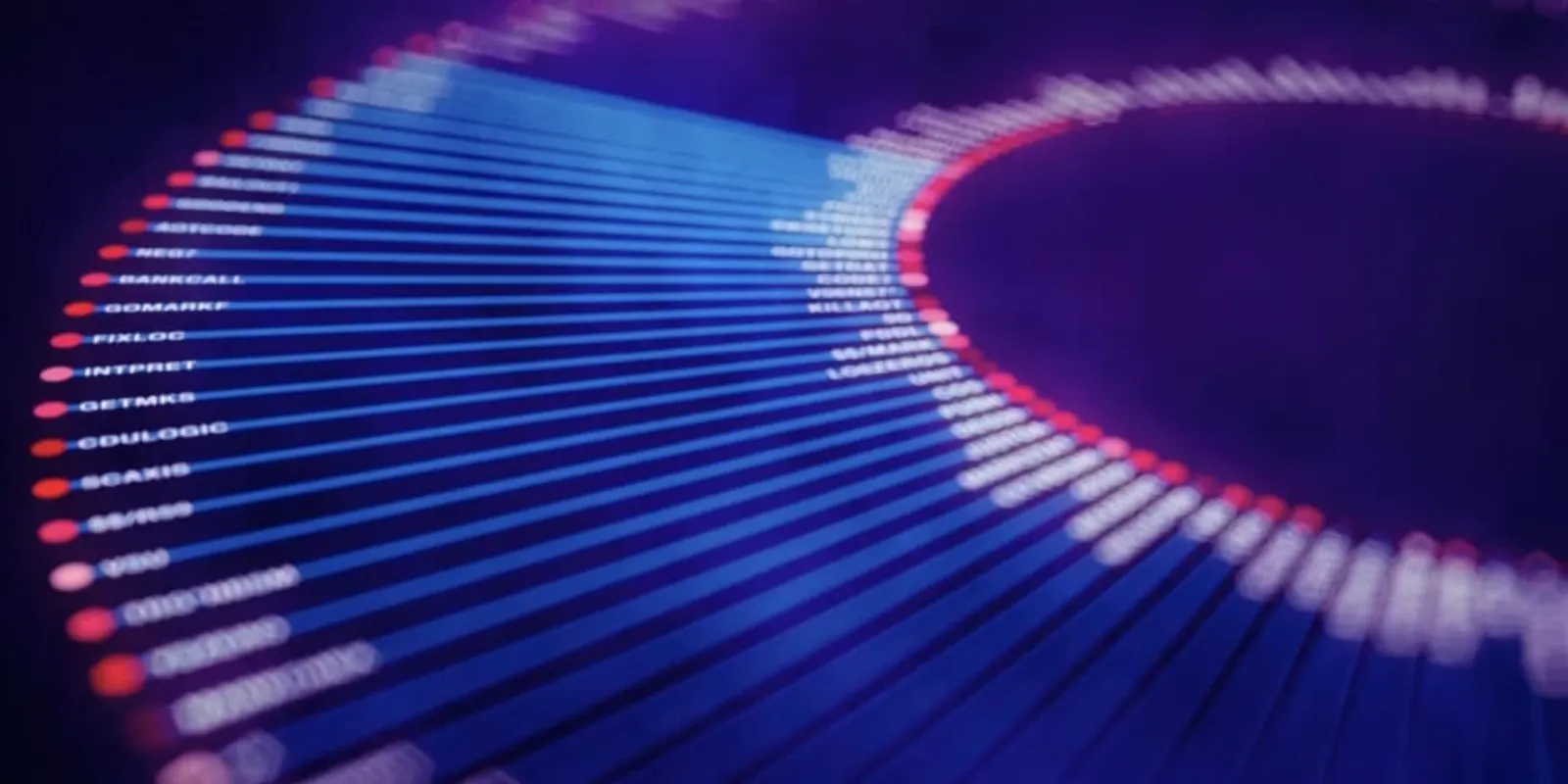
Visualize the network of stylometric relations for the 3,000 works in the corpus
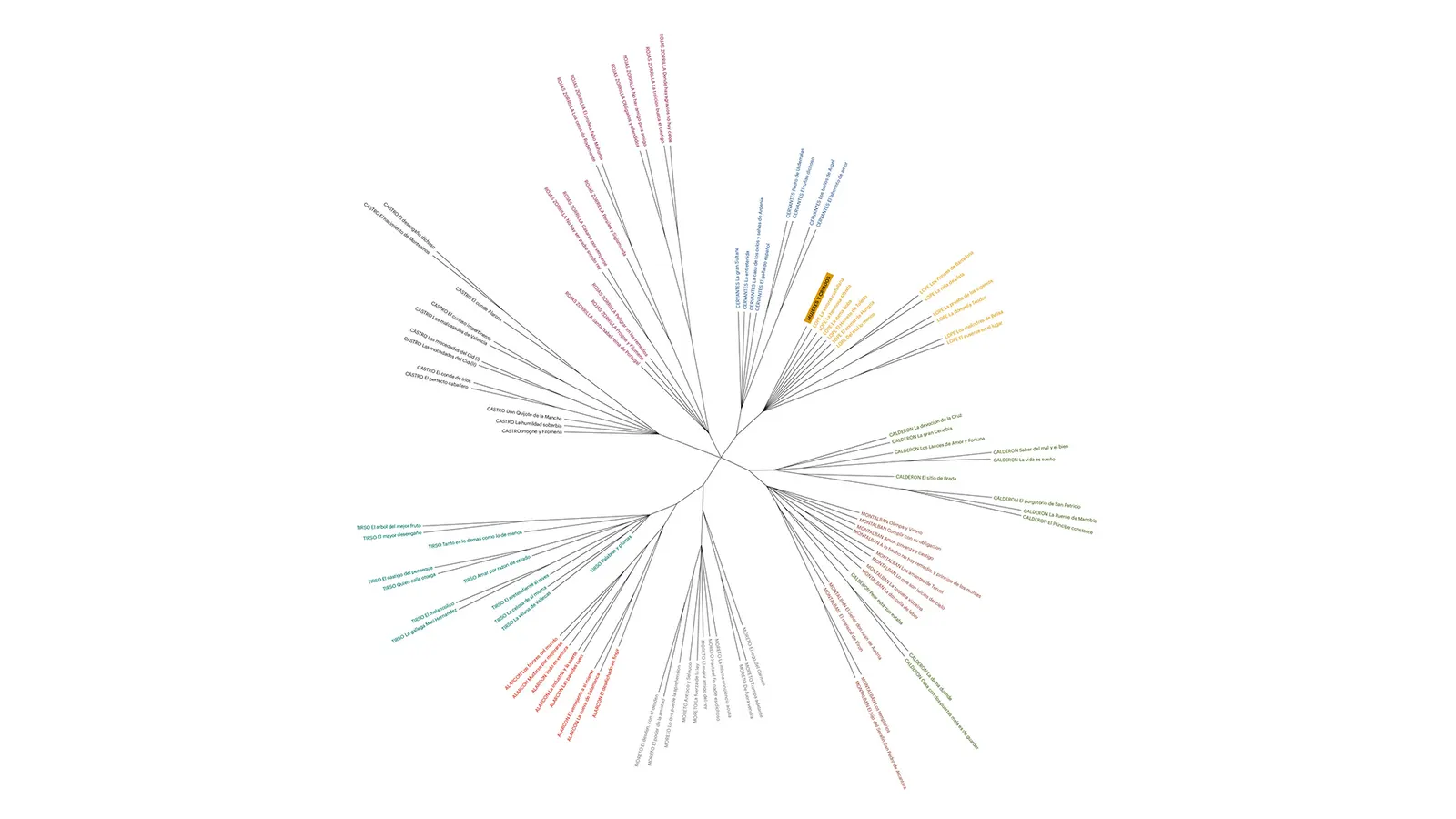
The project ETSO: Estilometría aplicada al Teatro del Siglo de Oro arose from the interest of researcher Álvaro Cuéllar (Universitat Autònoma de Barcelona) and Professor Germán Vega García-Luengos (Universidad de Valladolid) in applying new computational tools to the many problems of authorship attribution posed by Spanish Golden Age theatre. The portal offers analyses that can help shed light on questions of attribution within the vast theatrical production of that period. Stylometry makes it possible, in one of its most useful applications, to identify the works whose lexical frequencies are closest to those of the text under study within the available corpus. Since every author uses words in different proportions, works often tend to cluster according to authorship. Nevertheless, caution is always necessary, because other similarities may arise from genre, subject matter, dating, provenance, textual condition or other factors.
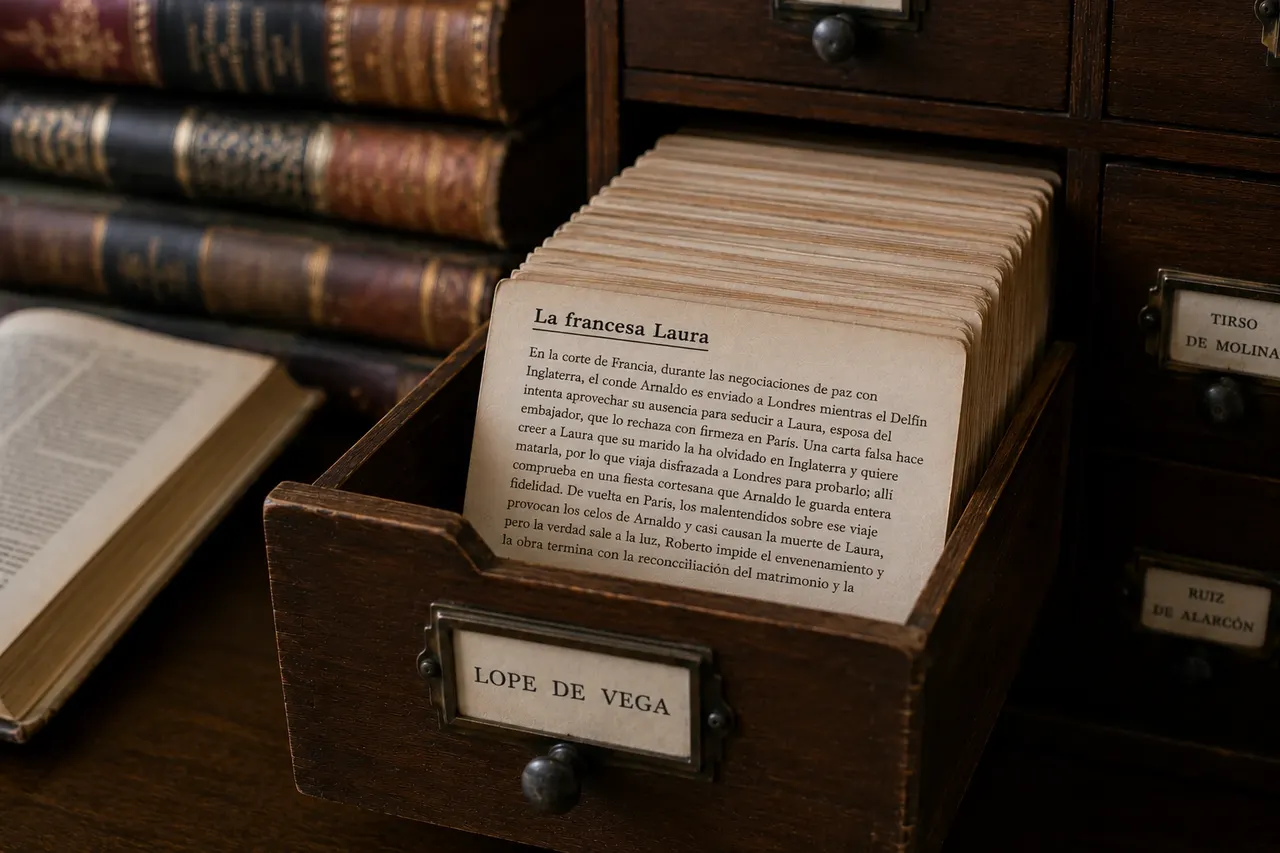
Here you can consult examples in which stylometry supports the traditional attribution, such as La dama boba, Don Gil de las calzas verdes, El médico de su honra, as well as cases in which stylometry points to an unexpected and potentially revealing attribution, such as La francesa Laura, La monja alférez, La puerta Macarena (primera parte). The new attributions indicated here should be understood only as preliminary authorship clues produced by an automatic computational process. Each case must therefore be studied in detail from a philological perspective, taking its specific complexities into account.
Digital humanities
Stylometry, artificial intelligence, automatic transcription (HTR)...
At ETSO, we use different computational techniques that allow us to work with texts in ways that were not previously possible.
Thanks to Stylo (Maciej Eder, Jan Rybicki, and Mike Kestemont), we can relate texts according to their lexical usage.
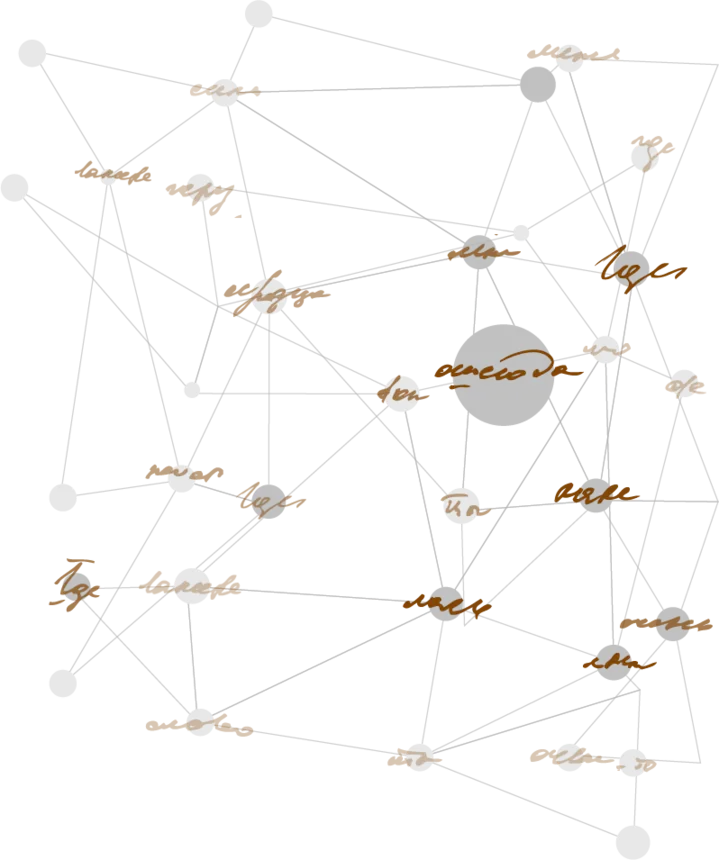
Transkribus (P. Kahle, S. Colutto, G. Hackl, and G. Mühlberger) allows us to automatically transcribe old printed books and manuscripts with a high degree of accuracy.
We also use other stylometric and artificial intelligence techniques to process and analyze texts.
TEXORO: Golden Age Texts
Textual searches across Golden Age drama, prose and poetry
TEXORO enables textual searches across Golden Age drama, prose and poetry in an expanding literary corpus. The corpus brings together more than 3,000 works and over 42 million indexed words.
The search engine can locate words, exact phrases and wildcard patterns, and it also supports advanced queries combining terms, proximity conditions and filters by title, genre, traditional attribution, stylometric attribution or textual condition. In this way, TEXORO supports both targeted searches and more complex explorations of the presence, distribution and relationships of words or expressions across the corpus.
BITESO
Open-access digital texts from the Golden Age
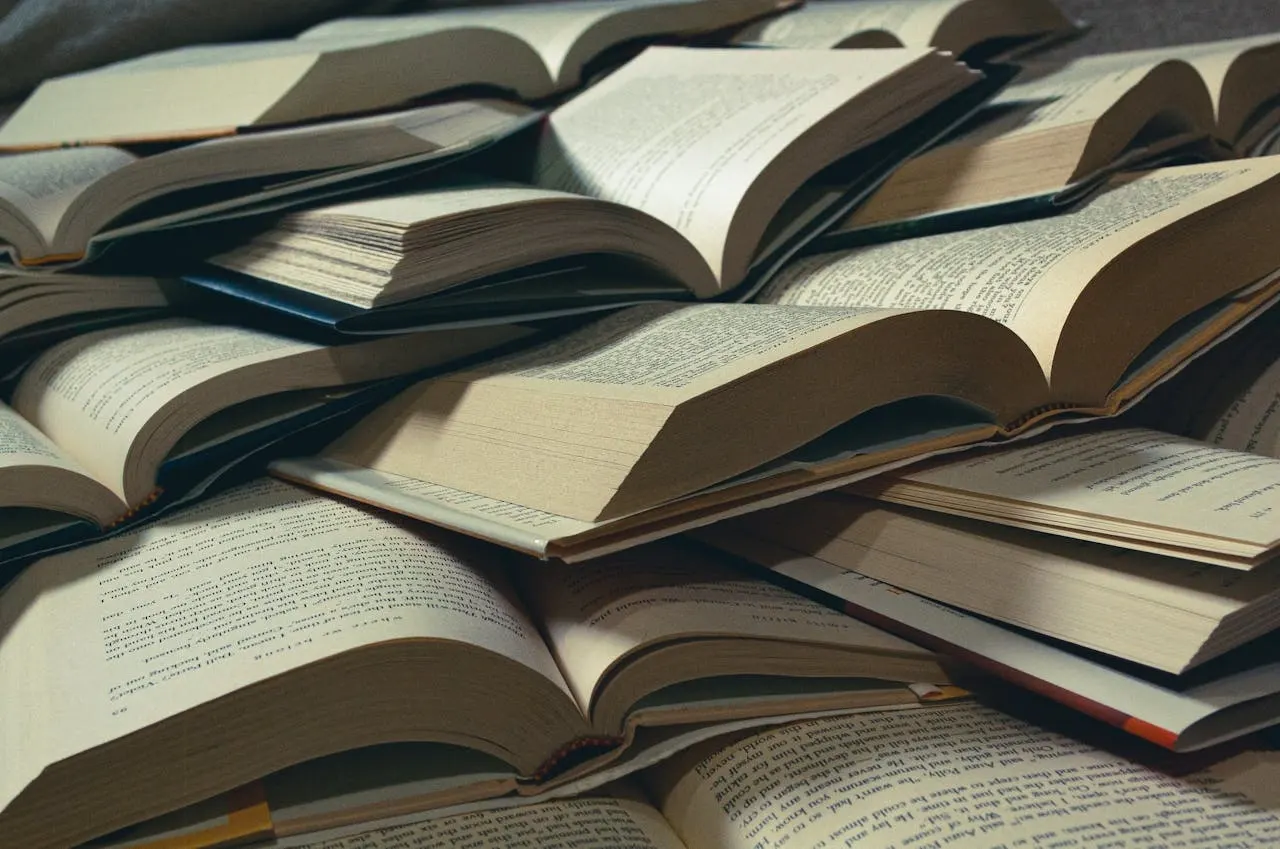
BITESO brings together and provides open access to a broad collection of digital texts from the Spanish Golden Age. The resource is largely based on automatic transcriptions of old printed books and manuscripts prepared for stylometric authorship analyses, together with materials reviewed, supplied or checked through collaboration with specialists.
The texts included in BITESO should be understood as working texts: they do not replace critical editions, may contain transcription errors and have uneven textual quality depending on the source and the degree of review. At present, they are offered without character names or stage directions and contain only the clean text of each work.
How can we help you? How can you help us?
We can help you explore the resources available for studying Golden Age theatre and literature. Examen de autorías provides stylometric reports on works in the corpus, with indications of possible authorship relations. TEXORO enables textual searches across drama, prose and poetry in more than 3,000 works and over 42 million words. BITESO offers open access to digital texts, many of them derived from automatic transcriptions of old printed books and manuscripts. Automatic summaries also provide an initial orientation to the plot and content of works, always as a preliminary aid and never as a substitute for reading or philological analysis.
You can also collaborate with us by sending Golden Age texts that are not yet included in our resources, bibliographic information, news about attributions, data on textual witnesses or any material that may improve the collection. Citing our resources in publications, academic work or teaching also helps us disseminate the project and obtain the support needed to maintain and expand it.